
Last Updated on June 9, 2026 by Lord Vincent Van Mendoza
- Cremation provides flexible service options, direct, traditional, memorial, or celebration of life, so families can create a personal, meaningful farewell.
- Cremation is often more affordable than burial, reducing cemetery and burial costs while offering diverse memorial and environmental options.
- Pre-planning and choosing a compassionate funeral provider ensures legal compliance, honors personalized wishes, and reduces stress for family members.
Losing a loved one is one of life’s most difficult experiences. During this emotional time, families are often faced with important decisions regarding funeral arrangements. One option that continues to grow in popularity across Australia and around the world is cremation.
Modern cremation services offer flexibility, affordability, and the opportunity to create a deeply personal farewell that reflects the life, values, and wishes of the deceased. Whether you’re planning ahead or arranging a service for a loved one, understanding the cremation process can help you make informed decisions with confidence.
The U.S. cremation rate has already surpassed 63% and is projected to reach approximately 67.9% by 2029, and over 80% by 2045. This upward trajectory represents a major shift in end-of-life preferences.
What Is a Cremation Service?
A cremation service is a funeral arrangement where the deceased is respectfully cremated following any desired ceremonies or memorial services. Families can choose from a range of options, including:
- Traditional funeral service followed by cremation
- Memorial service after cremation
- Direct cremation without a formal ceremony
- Religious or non-religious cremation services
- Celebration of life events
Cremation allows families greater flexibility in how and when they commemorate their loved one.
How Does the Cremation Process Work?
While specific procedures may vary, the cremation process generally follows these steps:
1. Arrangement and Documentation
A funeral director assists the family in completing the necessary legal paperwork, permits, and authorisations required for cremation.
2. Preparation and Care
The deceased is respectfully cared for and prepared according to the family’s wishes and cultural or religious traditions.
3. Funeral or Farewell Service
Families may choose to hold a traditional funeral service, viewing, chapel service, or private gathering before the cremation takes place.
4. Cremation
The cremation is conducted in a licensed crematorium under strict regulations to ensure dignity, respect, and compliance with legal requirements.
5. Return of Ashes
The cremated remains are returned to the family in an urn or temporary container, allowing them to decide on a meaningful memorial option.
Why More Families Are Choosing Cremation
Greater Flexibility
Unlike traditional burials, cremation provides families with more time and flexibility when planning memorial services. Families can gather at a later date if relatives need to travel from interstate or overseas.
Cost-Effective Option
While costs vary depending on the services selected, cremation is often more affordable than traditional burial due to reduced cemetery and burial expenses.
Personalised Memorial Opportunities
Families can create unique and meaningful tributes that celebrate the life of their loved one in a way that feels authentic and personal.
Environmental Considerations
Many people choose cremation as part of a broader preference for environmentally conscious end-of-life arrangements, especially when paired with sustainable memorial options.
Types of Cremation Services
Direct Cremation
Direct cremation is the simplest option, involving cremation without a formal funeral service beforehand. Families may choose to hold a private memorial at a later date.
Traditional Cremation Service
A traditional funeral service is held before the cremation, often in a chapel, church, or other venue. Family and friends have the opportunity to gather, pay respects, and celebrate the person’s life.
Memorial Service After Cremation
Some families choose cremation first and then organise a memorial service once the ashes have been returned. This provides flexibility when planning the event.
Celebration of Life Service
A celebration of life focuses on remembering the achievements, personality, and legacy of the deceased through stories, photos, music, and personal tributes.
What Can Be Done With Cremated Ashes?
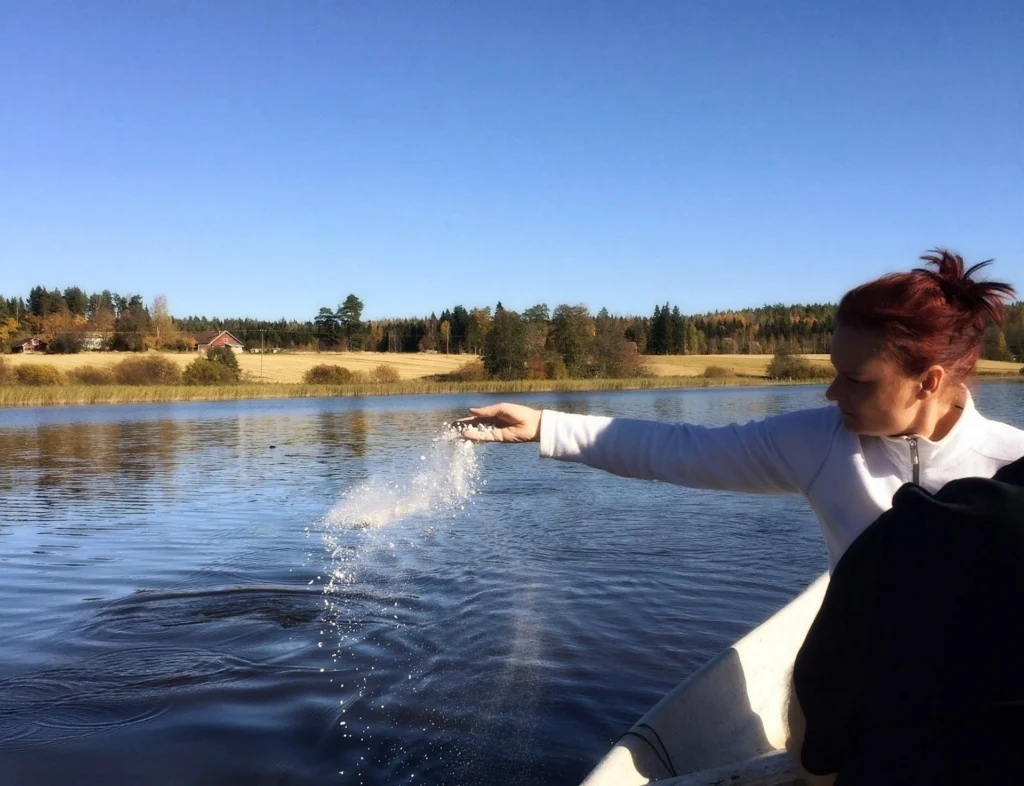
Families have many options when deciding how to honour their loved one after cremation:
- Keeping the ashes in a memorial urn
- Interring the ashes in a cemetery or memorial garden
- Scattering ashes in a meaningful location (where permitted)
- Creating memorial jewellery
- Placing ashes in a columbarium niche
- Incorporating ashes into commemorative keepsakes
The choice depends on personal preferences, cultural traditions, and family wishes.
Planning a Cremation Service in Advance
Pre-planning a cremation service can provide significant peace of mind for both individuals and their families.
Benefits of pre-planning include:
- Clearly documenting personal wishes
- Reducing stress for family members
- Exploring service options without time pressure
- Potential financial planning advantages
- Ensuring meaningful personalisation
Many families find comfort in knowing that arrangements have already been thoughtfully considered.
Questions to Ask When Choosing a Cremation Provider
Selecting the right funeral director is an important part of the planning process. Consider asking:
- What cremation packages are available?
- What services are included in the quoted price?
- Can the service be personalised?
- What memorial options are offered?
- How are the ashes returned to the family?
- Is support available throughout the arrangement process?
A compassionate and experienced funeral provider can guide families through every step with care and understanding.
Creating a Meaningful Farewell
A cremation service can be just as personal, respectful, and memorable as a traditional burial service. Through thoughtful planning, meaningful tributes, and compassionate support, families can create a farewell that truly honours the life and legacy of their loved one.
Whether you choose a direct cremation, a traditional service, or a celebration of life, the most important aspect is creating a tribute that reflects the unique story of the person being remembered.
Cremation continues to be a preferred choice for many families because of its flexibility, affordability, and wide range of memorial options. Understanding the process and available choices can help ensure that your loved one receives a dignified and meaningful farewell.
By working with a trusted funeral director and taking time to explore your options, you can create a service that provides comfort, healing, and lasting memories for family and friends.
Frequently Asked Questions About Cremation Services
What is a cremation service?
How does the cremation process work?
Is cremation more affordable than a traditional burial?
What is direct cremation?
Can a funeral service be held before cremation?
What can be done with cremated ashes?
Can cremation services be personalised?
What is a celebration of life service?
Why should I consider pre-planning a cremation service?
How do I choose the right cremation provider?
Summarize with AI





Great content! Keep up the good work!