
A clean and safe home is the foundation of a healthy, happy family. Beyond aesthetics, maintaining your living space protects your loved ones from potential hazards, reduces stress, and creates an environment where everyone can thrive. This guide covers essential areas of home maintenance and cleanliness that every family should prioritize.
Key Takeaways
- Electrical Safety: Regular inspections of wiring, outlets, and cords prevent fire hazards and electrocution risks. Professional electricians can identify hidden dangers in your home’s electrical system.
- Decluttering & Organization: Removing junk and clutter eliminates tripping hazards, reduces fire risks, and creates a healthier living environment. Consider professional junk removal for large-scale projects.
- Plumbing Maintenance: A well-maintained plumbing system prevents water damage, mold growth, and contamination. Regular inspections and professional repairs protect your family’s health and home integrity.
- Daily Cleaning Habits: Consistent daily cleaning practices prevent pest problems, reduce allergens, and maintain a safe, organized home environment.
- Family Involvement: Assign age-appropriate cleaning tasks to family members. This teaches responsibility, shares the workload, and creates a culture of cleanliness and safety.
- Professional Help Matters: Know when to call professionals. Electrical, plumbing, and junk removal experts ensure safety and quality work that protects your family and home investment.
Why Home Cleanliness Matters
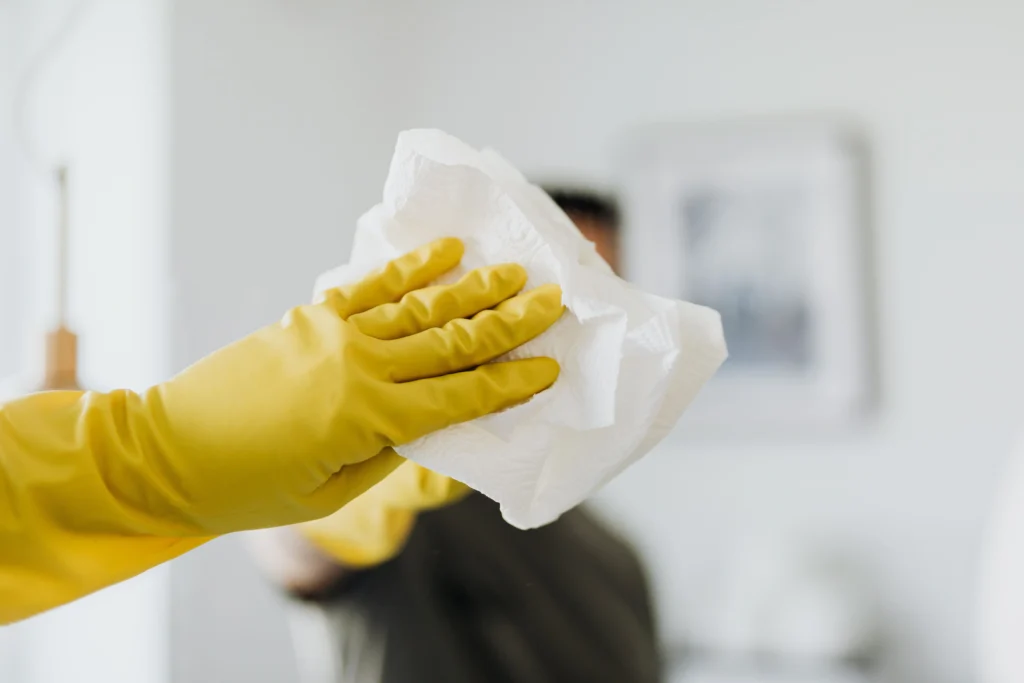
A tidy home is more than just visually appealing—it’s a matter of health and safety. Dust, allergens, and bacteria accumulate in cluttered spaces, leading to respiratory issues and infections. Additionally, a disorganized environment can create physical hazards like tripping risks and fire dangers. By maintaining cleanliness, you’re directly investing in your family’s wellbeing.
Electrical Safety: A Often-Overlooked Priority
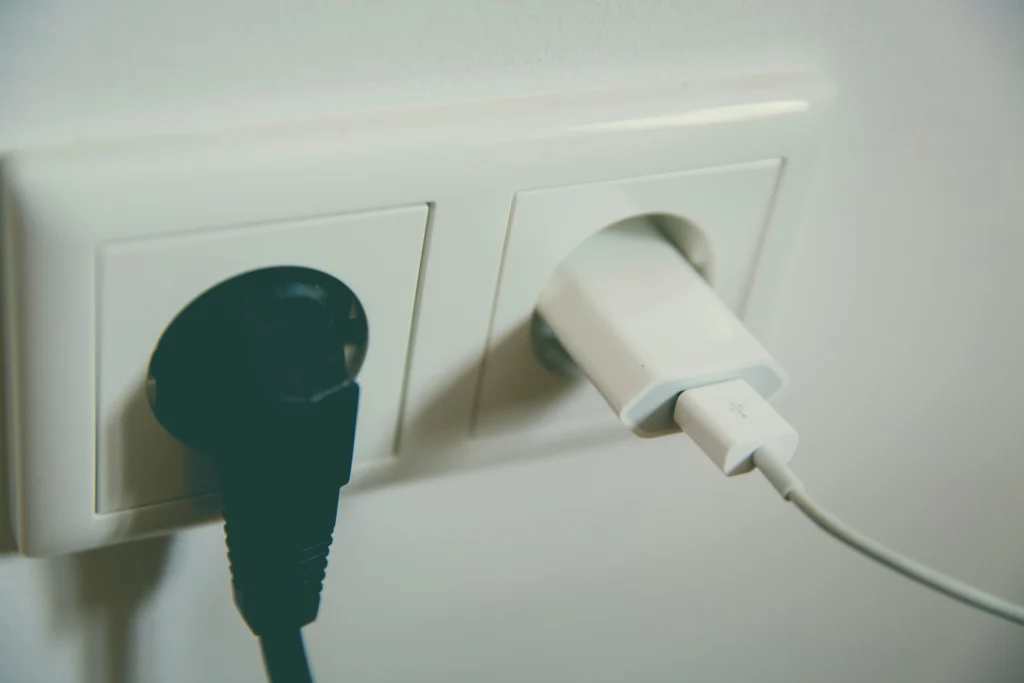
One of the most critical yet frequently overlooked aspects of home safety is electrical maintenance. Faulty wiring, outdated outlets, and damaged cords pose serious fire and electrocution risks. Here are key steps to keep your electrical systems safe:
- Inspect cords regularly – Look for fraying, burns, or damage on all electrical cords
- Don’t overload outlets – Avoid using too many appliances in one outlet
- Install surge protectors – These protect your devices and reduce fire risk
- Check for water exposure – Keep electrical outlets away from moisture
- Professional inspections – Have a qualified electrician regularly inspect your home’s wiring
For comprehensive electrical safety assessments and professional maintenance, consider reaching out to a trusted local electrician. They can identify potential hazards and ensure your home’s electrical system is safe for your family.
Decluttering: Remove Junk and Hazards
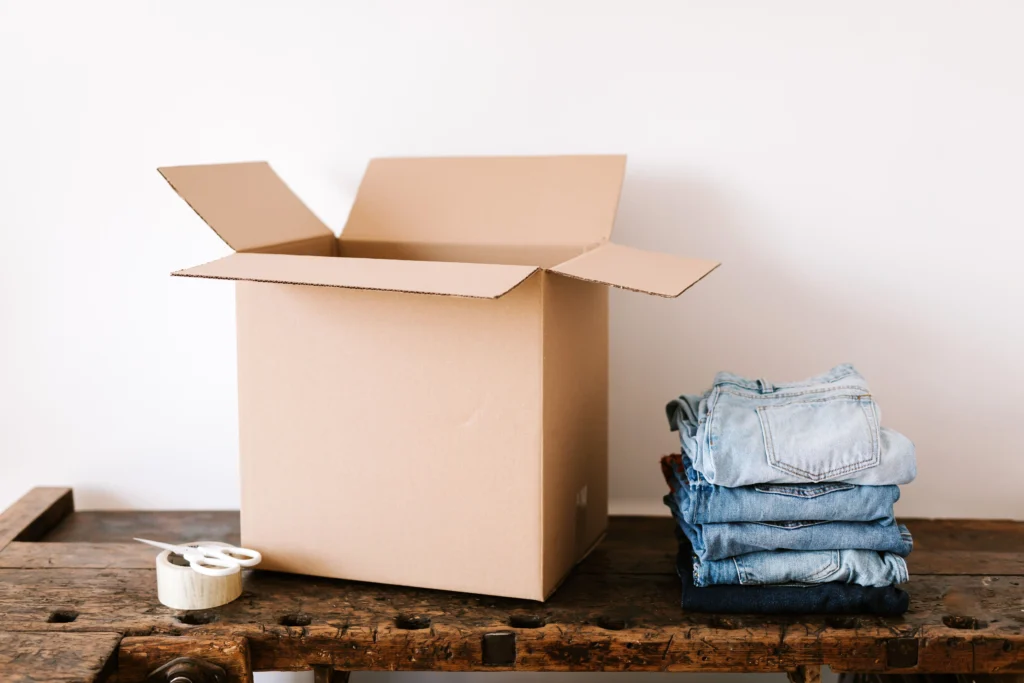
Clutter is not only an eyesore. It’s a safety hazard. Piles of junk create:
- Tripping hazards – Especially dangerous for children and elderly family members
- Fire risks – Accumulated items can obstruct emergency exits
- Pest havens – Cluttered spaces attract rodents and insects
- Stress and anxiety – A chaotic environment affects mental health
Start by going room by room and removing items you no longer need. For larger projects involving heavy items, old furniture, or significant accumulation, professional help can be invaluable. Consult a junk removal service provider that specializes in safely removing unwanted items, making the process quick and hassle-free.
A clean, clutter-free home allows air to circulate, makes cleaning easier, and significantly improves safety for everyone living there.
Plumbing System Maintenance: Prevent Water Damage and Health Issues
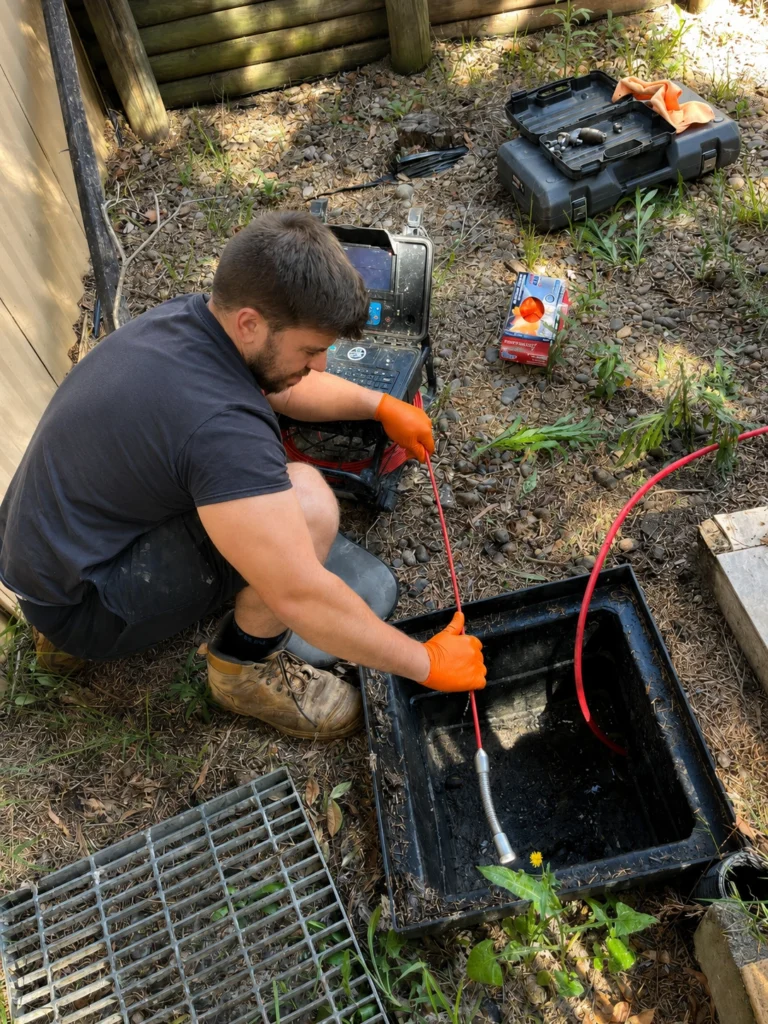
A well-maintained plumbing system is essential for both safety and hygiene. Common plumbing problems include:
- Leaks – Can lead to water damage, mold growth, and structural issues
- Clogged drains – Create unsanitary conditions and potential backups
- Water contamination – Faulty pipes can compromise drinking water quality
- Mold and mildew – Result from moisture problems hidden in walls and under floors
Regular maintenance includes:
- Checking under sinks for leaks
- Cleaning drains regularly to prevent buildup
- Inspecting visible pipes for corrosion
- Having your water quality tested annually
- Scheduling professional inspections
For comprehensive plumbing assessments and repairs, talk to a licensed plumber who offers professional services to keep your home’s plumbing system in top condition, protecting your family’s health and your home’s integrity.
Daily Cleaning Practices
Consistency is key to maintaining a clean home. Establish these daily habits:
- Make beds and tidy bedrooms – Starts the day organized
- Wash dishes immediately – Prevents pest attraction
- Wipe down kitchen and bathroom surfaces – Stops bacteria growth
- Sweep high-traffic areas – Reduces dust and allergens
- Take out trash – Prevents odors and pest problems
- Put items back in their place – Maintains organization and safety
Create a Family Cleaning Schedule
Assign age-appropriate tasks to family members. This teaches responsibility and shares the workload:
- Daily tasks – Making beds, clearing dishes, tidying common areas
- Weekly tasks – Vacuuming, mopping, bathroom cleaning, laundry
- Monthly tasks – Deep cleaning carpets, washing windows, organizing closets
- Quarterly tasks – HVAC filter changes, gutter cleaning, inspecting appliances
Keeping your house clean and safe requires ongoing effort and attention to multiple areas—from electrical systems to plumbing infrastructure to everyday tidiness. By establishing good habits, removing hazards, and knowing when to call professionals, you create a sanctuary where your family can thrive. A safe home is an investment in your family’s future, health, and happiness.