Last Updated on October 25, 2026 by Lord Vincent Van Mendoza
- Simple, dependable operation using an electric heating element and thermostat, providing consistent hot water with correct installation and routine maintenance.
- Heat pump and instantaneous electric options can significantly reduce electricity use compared with conventional resistance storage heaters.
- Often lower initial installation costs when replacing the same type, especially if electrical and plumbing infrastructure already exists.
- Professional installation ensures safety, compliance, correct sizing and electrical capacity assessment to avoid faults and protect warranties.
Quick Answer: What Are the Benefits of Electric Hot Water Systems?
Electric hot water systems offer several benefits for Australian homeowners, including flexible installation options, no need for a gas connection, a wide range of sizes, and compatibility with rooftop solar electricity. Depending on the system type, electricity tariff and household usage, they may also help manage energy costs. Choosing the right unit depends on your hot water demand, available electrical capacity, installation requirements and long-term running costs.
Choosing the right hot water system can make a significant difference to your household’s comfort, energy consumption and long-term plumbing costs. For many Australian homeowners, electric hot water systems offer a practical solution that combines straightforward operation, flexible installation options and dependable hot water for everyday use.
Whether you’re replacing an ageing water heater or planning a new installation, understanding the benefits of electric hot water systems can help you decide whether this option suits your home and family.
In this guide, we’ll explore the main advantages of electric hot water systems, how they work, what to consider before installation and how to choose the right unit for your household.
What Is an Electric Hot Water System?
An electric hot water system uses electricity to heat water for showers, baths, washing dishes, laundry and other household activities.
Traditional electric storage systems heat water inside an insulated tank using an electrical heating element. The heated water remains stored until it is needed, while the thermostat regulates the temperature.
Some electric systems use a different approach. Electric instantaneous, or tankless, systems heat water as it flows through the unit rather than storing it in a tank.
Both options can supply hot water to a home, but their capacity, energy consumption, installation requirements and operating costs differ.
7 Benefits of Electric Hot Water Systems
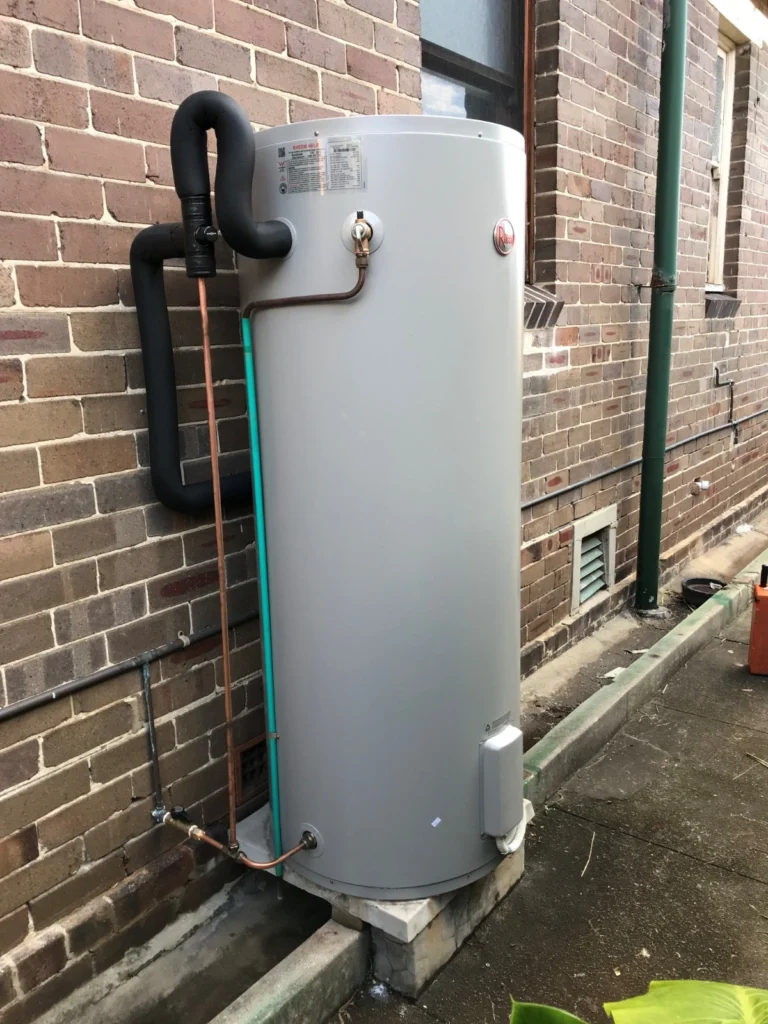
1. Straightforward and Reliable Operation
One of the main benefits of electric hot water systems is their relatively simple operation.
Electric storage water heaters use a heating element and thermostat to heat and maintain the water temperature. With appropriate installation and maintenance, these components can provide dependable service for years.
Compared with gas systems, electric models do not require a gas connection or combustion equipment. This can make them particularly convenient for homes without access to mains gas.
However, reliability depends on the quality of the unit, correct installation, household usage and regular maintenance.
2. Flexible Installation Options
Electric hot water systems are available in various capacities and configurations, making them suitable for a wide range of residential properties.
Depending on the model and available space, an electric water heater may be installed in a garage, laundry area, utility space or suitable outdoor location.
Electric storage systems can also be a practical replacement option when an existing electric tank reaches the end of its service life. Reusing suitable plumbing connections and electrical infrastructure may simplify the installation, although the site must still be assessed by qualified professionals.
For apartments, smaller households and properties with limited space, certain compact or instantaneous electric models may also be worth considering.
The best installation location depends on the manufacturer’s specifications, local requirements, drainage provisions and electrical supply.
3. No Gas Connection Required
Electric hot water systems are an attractive option for properties that do not have a gas connection.
Because these systems use electricity rather than burning gas, homeowners do not need a gas supply to operate the water heater. This can simplify the decision-making process when building a new home or upgrading an existing property.
Electric models also avoid combustion-related emissions at the point of use. However, their overall environmental impact depends partly on how the electricity is generated.
For homeowners considering a transition away from gas appliances, an electric hot water system can be one part of a broader home electrification plan.
4. Potential for Lower Running Costs with Solar Power
Another advantage of electric hot water systems is their potential to work well with rooftop solar photovoltaic systems.
When a household generates more solar electricity than it immediately uses, some of that energy may be directed towards heating water. Depending on the system configuration, available solar generation and household energy consumption, this can reduce the amount of electricity purchased from the grid.
Some electric storage systems can also be scheduled to heat water during periods when electricity is cheaper or solar generation is higher.
The potential savings depend on several factors, including:
- Your electricity tariff and controlled-load arrangements.
- The size and efficiency of the water heater.
- Your household’s daily hot water consumption.
- Your solar system’s generation capacity.
- The timing of hot water demand.
- Whether a suitable timer, controller or energy management system is installed.
An electric water heater is not automatically cheaper to operate than a gas system. Comparing actual tariffs, usage patterns and available incentives is important before making a decision.
5. A Wide Range of Sizes and Capacities
Every household has different hot water requirements.
A couple living in a small apartment may use considerably less hot water than a family with several bathrooms, frequent laundry loads and multiple daily showers.
Electric hot water systems come in different storage capacities, allowing homeowners to select a unit that better matches their needs.
Choosing the right size helps balance convenience, energy consumption and purchase costs. An undersized system may run out of hot water during busy periods, while an oversized storage tank may increase upfront costs and heat losses.
When choosing a system, consider the number of occupants, the number of bathrooms, peak shower times and whether several hot water outlets are likely to operate simultaneously.
A licensed plumber can assess these factors and recommend a suitable capacity.
6. Potentially Lower Upfront Installation Costs
For some households, an electric storage hot water system can offer a relatively affordable replacement option.
If your property already has a suitable electrical supply, compatible plumbing and an appropriate installation location, replacing an existing electric unit may require less infrastructure work than changing to a different type of system.
By comparison, switching from gas to electric may require electrical upgrades or other modifications, depending on the appliance and property.
It is also important to distinguish the initial purchase price from the total cost of ownership. Electricity prices, energy efficiency, maintenance requirements, equipment lifespan and any required upgrades all affect the long-term financial picture.
For a fair comparison, ask for an itemised installation quote and consider the estimated operating costs over the system’s expected service life.
7. Convenient Maintenance and Repair Options
Electric hot water systems have components that qualified technicians can inspect, test and replace when necessary.
Common service issues can include a faulty heating element, a malfunctioning thermostat, a leaking valve or deterioration of the storage tank.
Addressing problems early may help prevent more extensive damage and unnecessary disruption to your household.
Routine inspections can also help identify corrosion, leaks and other signs of wear before they develop into more serious issues.
The exact maintenance requirements depend on the model, water quality, installation conditions and manufacturer’s recommendations.
If your water heater is producing inconsistent temperatures, making unusual noises or leaking around the tank, arrange an assessment rather than attempting electrical or plumbing repairs yourself.
Are Electric Hot Water Systems Energy Efficient?
Electric hot water systems can be efficient at converting electricity into heat, but their overall energy consumption depends on how the system operates and how much hot water your household uses.
Standard electric resistance storage heaters use electricity to heat water in a tank. Some of the stored heat is gradually lost to the surrounding environment, even when hot water is not being used.
Heat pump water heaters are another electric option. Instead of relying solely on an electrical resistance element, they transfer heat from the surrounding air into the water. This approach can use substantially less electricity than conventional resistance heating under suitable operating conditions.
Solar-compatible controls, appropriately sized storage tanks and suitable heating schedules may also help reduce energy costs.
When comparing options, look beyond the word “electric” and assess the system’s energy rating, installation requirements and expected running costs.
Electric vs Gas Hot Water Systems: Which Is Better?
Both electric and gas hot water systems can be suitable for residential properties. The right choice depends on your home’s existing infrastructure, household demand and energy costs.
| Feature | Electric hot water | Gas hot water |
|---|---|---|
| Energy source | Electricity | Natural gas or LPG |
| Gas connection | Not required | Required |
| Solar electricity compatibility | Can be excellent with suitable equipment | Generally less direct |
| Installation costs | Depend on existing electrical infrastructure | Depend on gas access and installation requirements |
| Running costs | Depend on electricity tariffs and system type | Depend on gas tariffs and system efficiency |
| Available options | Storage, instantaneous and heat pump | Storage and instantaneous |
There is no single winner for every property. A conventional electric storage unit may be practical for one household, while a heat pump or gas system may better suit another.
The best decision comes from comparing the full installation and operating costs against your household’s actual hot water requirements.
What Should You Consider Before Installing an Electric Hot Water System?
Before choosing a new water heater, consider these important factors.
Household size and water usage
Estimate how many people use hot water daily and whether demand peaks in the morning or evening. This will help determine the appropriate storage capacity or instantaneous system output.
Available electrical capacity
Some electric water heaters require a dedicated circuit, while larger or instantaneous units may have substantial electrical supply requirements. An appropriately qualified electrician should assess whether your property’s electrical infrastructure can support the selected model.
Available installation space
Storage tanks need sufficient clearance and an appropriate location. Your installer should also consider access for future maintenance, safe discharge arrangements and protection against water damage.
Energy tariffs and solar generation
Review your electricity plan, controlled-load availability and solar generation patterns. A system that works well with your tariff and household routine may offer better long-term value.
Installation quality and compliance
Choose a qualified professional who can assess the property, select a suitable unit and complete the installation in accordance with applicable Australian requirements and manufacturer instructions.
Correct installation is essential for safe operation, performance and warranty compliance.
Signs You May Need to Replace Your Electric Hot Water System
Even a reliable water heater will eventually require replacement. Recognising the warning signs can help you plan an upgrade before a complete failure disrupts your household.
Watch for the following issues:
- Hot water runs out quickly: The system may be undersized, or a component may not be operating correctly.
- Water temperature fluctuates: A faulty thermostat or heating element could be responsible.
- Rust-coloured or discoloured water: This may indicate corrosion or another plumbing issue that needs investigation.
- Water around the tank: A leaking connection, valve or storage cylinder may require prompt attention.
- Unusual popping or rumbling sounds: Sediment accumulation or other faults may be affecting the unit.
- Increasing repair frequency: Repeated breakdowns can make replacement worth considering.
Age alone does not determine whether a system needs replacing. Its condition, repair history, efficiency and the cost of future maintenance should all be considered.
If the tank is actively leaking, arrange a prompt plumbing assessment to reduce the risk of property damage.
Why Professional Installation Matters
Installing an electric hot water system involves more than connecting a tank to water pipes.
The installer must select a suitable unit, verify the installation location, check the relevant plumbing connections and ensure the system has the required safety and discharge provisions. Electrical work must also be completed by an appropriately licensed electrician where required.
A professional installation helps ensure that the system operates as intended and meets applicable safety and compliance requirements.
If you are replacing an older water heater, a qualified plumber can also assess whether repairing the existing unit is worthwhile or whether a replacement would be a better long-term investment.
Install or Replace an Electric Hot Water System in Sydney
If your current water heater is unreliable, leaking or no longer meeting your family’s needs, getting professional advice can help you choose the right replacement.
Streamline Plumbing Services provides hot water system installation, replacement and repair services across Sydney. The team can assess your existing setup, discuss suitable electric, gas, solar and instantaneous options, and help you make an informed decision based on your household requirements.
Whether you are upgrading an ageing electric storage tank or exploring alternatives for a new installation, choosing the right system starts with understanding your property’s needs.
Explore Streamline Plumbing Services’ hot water installation and replacement services or learn more about our hot water repair services.
Need help choosing an electric hot water system?
Contact Streamline Plumbing Services, a local Gladesville plumber, on 02 9711 9296 to discuss your hot water requirements and arrange an assessment.
Electric hot water systems offer several advantages for Australian homeowners, including flexible installation options, no requirement for a gas connection and the potential to use rooftop solar electricity.
However, the best system for your home depends on more than its energy source. Household demand, available infrastructure, purchase price, electricity tariffs and long-term operating costs all influence the decision.
By comparing the available options and working with a qualified professional, you can choose a hot water system that supports your household’s comfort, reliability and energy goals.
Frequently Asked Questions
Find answers to common questions about electric hot water systems, energy efficiency, installation and maintenance.
What are the main benefits of electric hot water systems?
Electric hot water systems offer flexible installation options, do not require a gas connection, and are available in various capacities. They can also work with rooftop solar electricity and suitable energy management controls to help reduce grid electricity consumption.
Are electric hot water systems cheaper to run?
Running costs depend on electricity tariffs, household hot water usage and the type of system installed. Heat pump water heaters generally use substantially less electricity than conventional electric resistance storage heaters under suitable conditions. Comparing the total operating costs can help identify the most economical option for your home.
How long does an electric hot water system last?
Many conventional electric storage hot water systems last approximately 8 to 15 years, although actual service life varies with water quality, maintenance, installation and product quality. Follow the manufacturer’s maintenance recommendations and arrange an inspection if you notice leaks or inconsistent temperatures.
Can an electric hot water system work with solar panels?
Yes. A suitable electric hot water system can use surplus rooftop solar electricity to heat water. Timers, compatible controllers and energy management systems can help schedule heating when solar generation is available, depending on your equipment and household energy needs.
What size electric hot water system does my home need?
The right size depends on the number of people in your household, the number of bathrooms, your daily hot water usage and peak demand. A qualified plumber can assess these factors and recommend a suitable storage capacity or instantaneous system.
Is an electric hot water system better than a gas system?
Neither option is best for every household. Electric systems may suit homes without gas connections or properties with rooftop solar, while gas systems may suit other usage patterns and existing installations. Compare installation costs, energy tariffs, efficiency and household requirements before deciding.
When should I replace my electric hot water system?
Consider an assessment if your system frequently runs out of hot water, produces inconsistent temperatures, develops leaks or requires repeated repairs. A leaking tank should be assessed promptly. A qualified plumber can determine whether repair or replacement is the more practical option.
Who can install an electric hot water system in Sydney?
A suitably licensed plumbing professional can assess your property, recommend an appropriate hot water system and arrange compliant installation. Electrical work must be completed by an appropriately licensed electrician where required. Contact Streamline Plumbing Services to discuss your home’s hot water requirements.
Summarize with AI