Last Updated on July 20, 2026 by Lord Vincent Van Mendoza
- Address windows, electrical, plumbing, and debris removal early to ensure safety, energy efficiency, and steady project progress.
- Complete electrical and plumbing rough-ins before closing walls to avoid costly rework and support modern appliances and smart systems.
- Set a realistic budget and timeline, secure permits, add contingency, and schedule debris removal for safety and smoother contractor coordination.
Home renovation is an exciting opportunity to improve your property’s appearance, comfort, functionality, and long-term value. Whether you’re remodeling a single room or transforming your entire house, careful planning is essential to avoid costly mistakes and unnecessary delays.

Every successful renovation relies on four critical components: high-quality windows and glass, safe electrical work, reliable plumbing, and efficient debris removal. Addressing these areas early in the planning process helps ensure your project stays on schedule and within budget.
This guide explains how each service contributes to a successful renovation and provides practical tips to help homeowners make informed decisions.
Why Planning Matters Before Renovation
Many homeowners focus on selecting flooring, paint colors, and cabinetry while overlooking the structural and mechanical systems that support the home. Proper planning allows you to identify potential issues before construction begins, coordinate multiple contractors efficiently, and minimize unexpected expenses.
A comprehensive renovation plan should include:
- A realistic project budget
- A detailed renovation timeline
- Material selection
- Professional inspections
- Permit requirements where applicable
- Contractor scheduling
- Waste management and cleanup
Organizing these details before demolition begins creates a smoother renovation experience and reduces the likelihood of project delays.
Choosing the Right Glass and Windows
Windows are among the most valuable investments during a home renovation. Modern window systems enhance natural light, improve energy efficiency, reduce outside noise, and increase curb appeal.

Replacing aging or damaged windows can also improve indoor comfort by reducing drafts and helping maintain consistent indoor temperatures.
Benefits of Installing New Windows
Modern glass and window solutions provide numerous advantages, including:
- Improved insulation
- Enhanced energy efficiency
- Better natural lighting
- Increased property value
- Reduced outside noise
- Improved security
- Lower heating and cooling costs
When selecting replacement windows, consider factors such as frame materials, glazing options, ventilation needs, and architectural style. High-performance glass can help reduce heat transfer while allowing abundant natural light into your living spaces.
Proper installation is equally important. Even premium windows may underperform if they are not correctly fitted and sealed.
Planning Your Electrical Needs
Electrical work is one of the most important aspects of any renovation project. Older homes often have outdated wiring or electrical panels that may not support today’s appliances and smart home technologies.
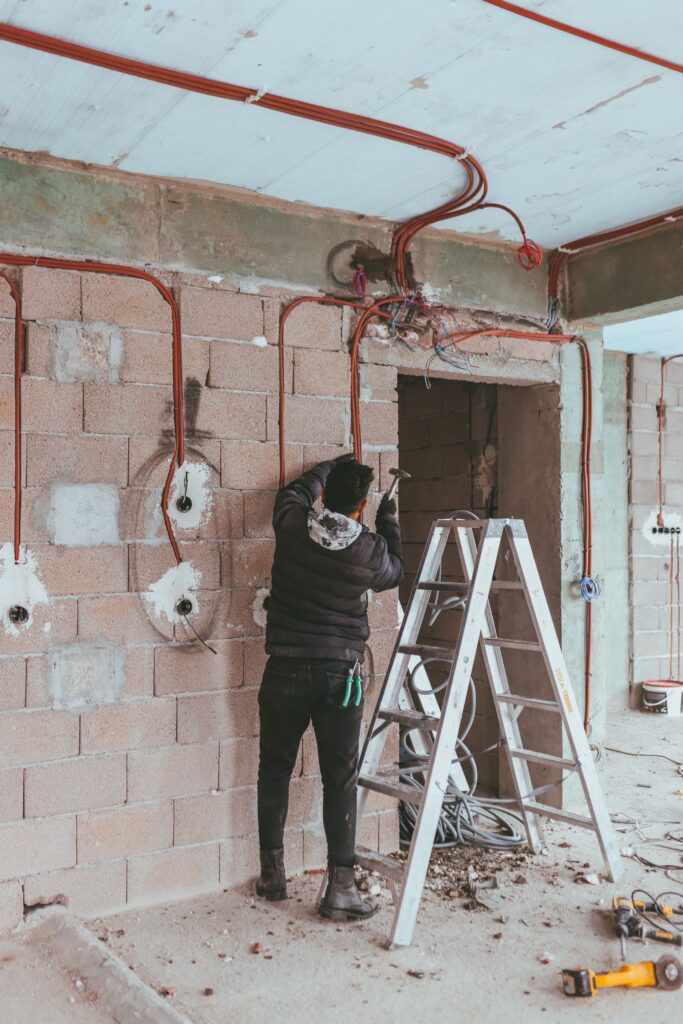
Before walls are closed, a licensed electrician should inspect the existing electrical system and recommend any necessary upgrades.
Common Electrical Improvements
Depending on your renovation goals, you may consider:
- New lighting layouts
- Additional power outlets
- Kitchen appliance circuits
- Bathroom electrical upgrades
- Ceiling fan installation
- USB charging outlets
- Smart home automation
- Electrical panel upgrades
- Outdoor lighting
- Security system wiring
Planning these improvements during the early stages of construction helps avoid expensive modifications later.
Energy-Efficient Lighting
Lighting significantly affects both functionality and ambiance.
Many homeowners now choose LED lighting because it:
- Uses less electricity
- Produces less heat
- Lasts longer than traditional bulbs
- Reduces energy costs
Layering ambient, task, and accent lighting creates comfortable, functional spaces throughout the home.
Plumbing Considerations During Renovation
Kitchen and bathroom renovations almost always involve plumbing modifications.
Whether you’re replacing fixtures or redesigning an entire layout, plumbing should be evaluated before construction begins.
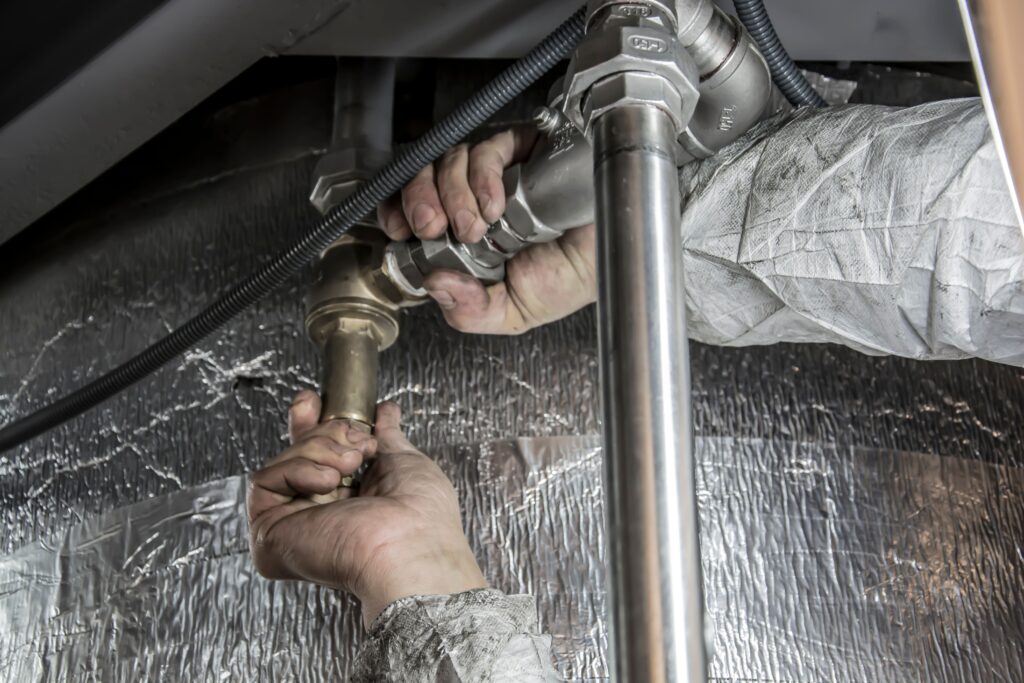
Moving sinks, toilets, showers, or appliances often requires relocating water supply and drainage lines. Addressing these changes early helps prevent delays once demolition is underway.
Common Plumbing Upgrades
Professional plumbing services may include:
- Pipe replacement
- Water line upgrades
- Drain relocation
- Kitchen plumbing installation
- Bathroom plumbing remodeling
- Water heater replacement
- Leak detection and repair
- Fixture installation
- Laundry room plumbing
Updating aging plumbing systems during renovation can improve water efficiency while reducing the risk of future leaks and repairs.
Water Efficiency Matters
Modern plumbing fixtures use significantly less water without sacrificing performance.
Installing water-efficient faucets, showerheads, and toilets may help reduce monthly utility costs while supporting sustainable water use.
Don’t Forget Debris Removal
Demolition is one of the messiest phases of home renovation.

Old drywall, flooring, cabinets, insulation, broken glass, concrete, wood, and construction waste can accumulate quickly. Without a disposal plan, debris can slow construction progress and create safety hazards.
Professional debris removal services help keep the worksite clean, organized, and safe throughout the renovation process.
Benefits of Professional Junk Removal
Hiring a debris removal service offers several advantages:
- Faster construction progress
- Safer working environment
- Proper waste disposal
- Reduced homeowner stress
- Convenient cleanup scheduling
- Recycling of eligible materials where available
Instead of making multiple trips to disposal facilities, homeowners can focus on their renovation while professionals handle the cleanup.
Coordinating Multiple Contractors
Large renovation projects often require several specialized professionals working together.
Typical renovation teams include:
- Window installers
- Electricians
- Plumbers
- Carpenters
- Painters
- Flooring specialists
- Junk removal crews
Scheduling each contractor in the proper sequence minimizes delays.
A common workflow includes:
- Planning and design
- Demolition
- Debris removal
- Electrical and plumbing rough-ins
- Window installation
- Insulation and drywall
- Flooring
- Painting
- Fixture installation
- Final cleanup
Good communication between contractors helps ensure every phase proceeds efficiently.
Budgeting for Your Renovation
A realistic budget should include more than construction materials.
Additional costs may include:
- Labor
- Building permits
- Inspections
- Window installation
- Electrical upgrades
- Plumbing work
- Waste disposal
- Unexpected repairs
- Final cleaning
Many homeowners also set aside a contingency fund for unforeseen issues that may arise after demolition.
Tips for a Successful Renovation
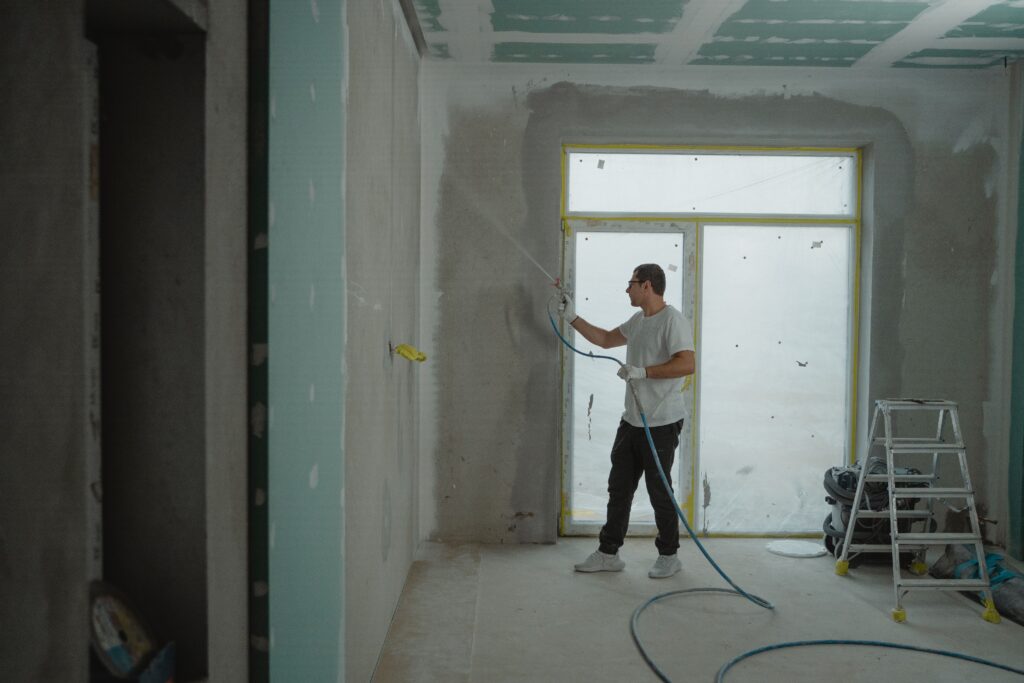
To maximize the success of your project:
- Define your renovation goals before hiring contractors.
- Obtain detailed estimates from qualified professionals.
- Prioritize structural, electrical, and plumbing work before cosmetic improvements.
- Choose durable, energy-efficient materials.
- Schedule waste removal throughout construction.
- Maintain open communication with your renovation team.
- Inspect completed work before making final payments.
Careful planning and proactive decision-making can reduce stress and improve project outcomes.
A successful home renovation involves much more than selecting finishes and décor. Investing time in planning your windows, electrical system, plumbing infrastructure, and debris removal strategy creates a solid foundation for the entire project.
Working with experienced professionals for each stage helps improve safety, efficiency, and long-term performance while protecting your investment. Whether you’re updating a single room or completing a full-home remodel, thoughtful preparation is the key to achieving beautiful, functional, and lasting results.
Frequently Asked Questions
Summarize with AI